
Everyday gratitude
A daily gratitude practice for ordinary days
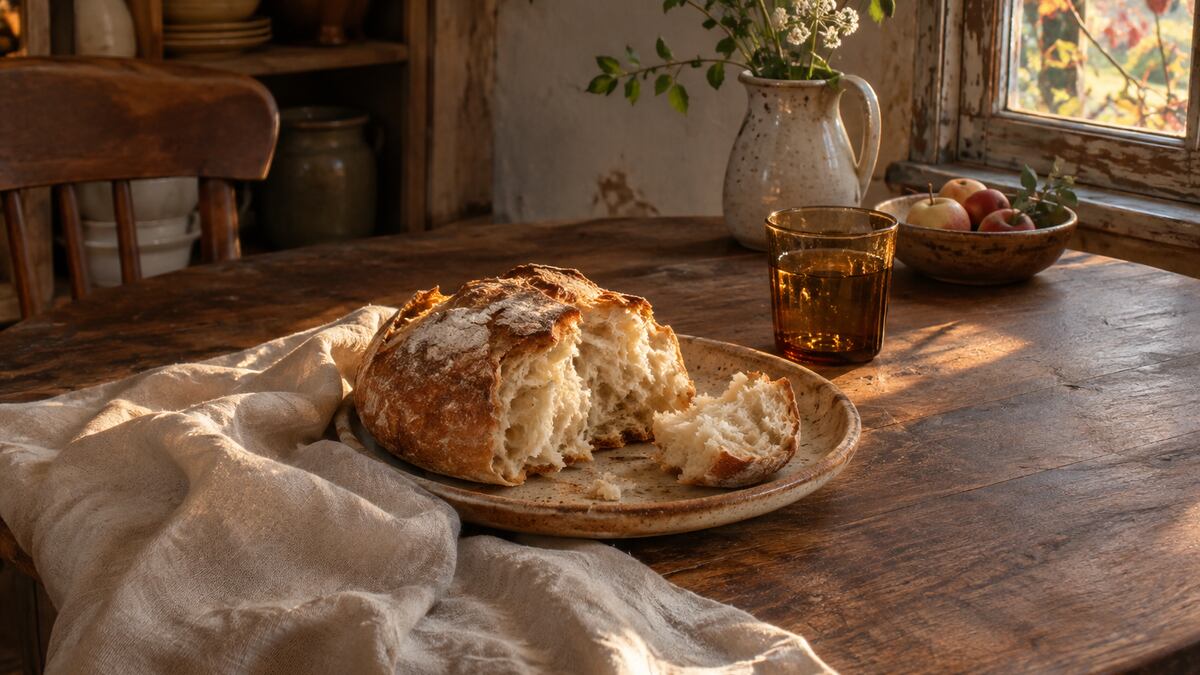
At supper, it is easy to say grace and reach for a fork before you have thought about what is on the plate. Tonight, try letting one detail of the meal give you the words for your prayer. Even a slice of toast has a story.
Start with something you can see
Set down the fork for a moment. Look at the bread someone cut, the glass of clean water, or the chair a friend pulled closer. Choose one thing you would have missed if you had hurried through the meal.
In the opening lines of Psalm 103, the writer calls his own soul to remember God’s gifts. He goes on to name them. You can borrow that movement from remembering to naming, beginning with what is in front of you.
Trace the gift back one step
Who made this moment possible? Perhaps your sister packed leftovers after Sunday lunch. Perhaps a neighbor called just as you were about to eat alone. Think of the work or kindness that reached your table. One link in the chain is enough.
Now turn that detail into a prayer. If it is fitting, you might send the person a sentence of thanks too. The prayer belongs to God, and the person who carried the casserole may also be glad to know you enjoyed it.
Jesus, thank you for this soup and for the friend who remembered that Tuesday is my late shift. I felt cared for when I opened the fridge.
Leave a line for tomorrow
Write a few words on a scrap of paper or in a note on your phone. “Soup after the late shift” will bring the evening back more readily than “a good day.” Try it at the same meal tomorrow.
At the end of the week, read the lines aloud. Which small kindness do you still remember clearly? That line might be worth sharing with someone who is learning to notice the good in an ordinary week.
Read the passage in context. Psalm 103:1–5
Share your own praise